Kenya is a cultural melting pot, with over 40 ethnic communities, each boasting unique traditional attire. From the Maasai shukas of the Maasai people to the Kikuyu kikoi wraps, traditional fashion in Kenya is a vibrant expression of identity, history, and artistry.
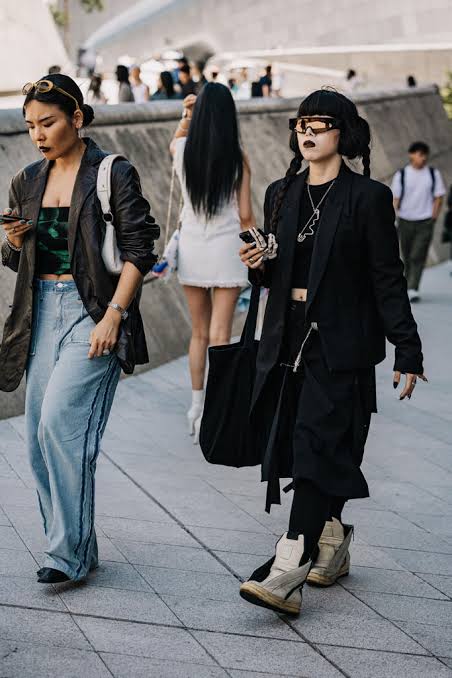
In 2025, Kenyan traditional fashion is not just worn during ceremonies; it’s also blending with modern trends, making its way into everyday street style, urban fashion, and even international runways.
Why Traditional Fashion Is Important in Kenya
- Cultural Heritage
- Traditional clothing tells stories about tribal history, rituals, and social status.
- Identity & Pride
- Wearing ethnic attire showcases pride in heritage, connecting younger generations to their roots.
- Ceremonial Significance
- Weddings, naming ceremonies, and festivals often require traditional dress, reflecting respect and cultural continuity.
- Fashion Innovation
- Designers are fusing traditional patterns and fabrics with modern silhouettes, making traditional fashion globally appealing.
Popular Kenyan Traditional Fashion Styles
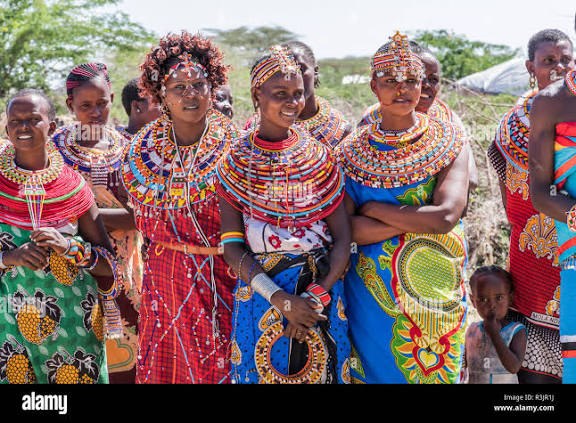
1. Maasai Shukas & Beaded Accessories
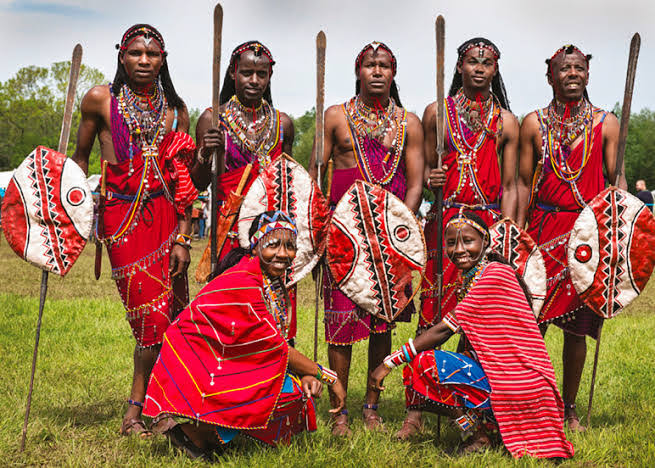
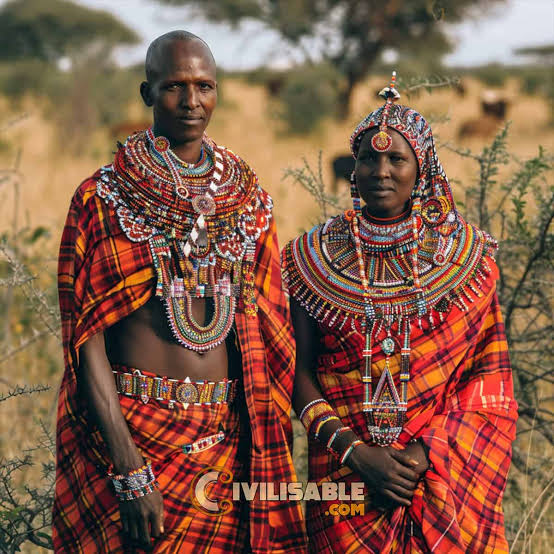
- Bright red, blue, and checked shukas are iconic.
- Paired with beaded necklaces, bracelets, and earrings, Maasai attire is bold and instantly recognizable.
2. Kikuyu Kikoi Wraps & Gowns
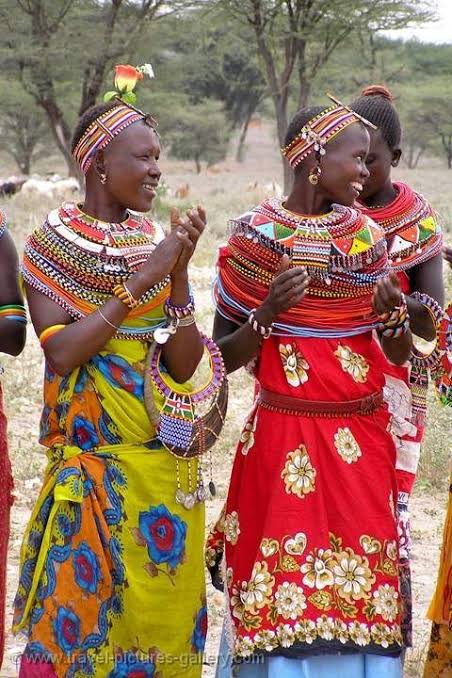
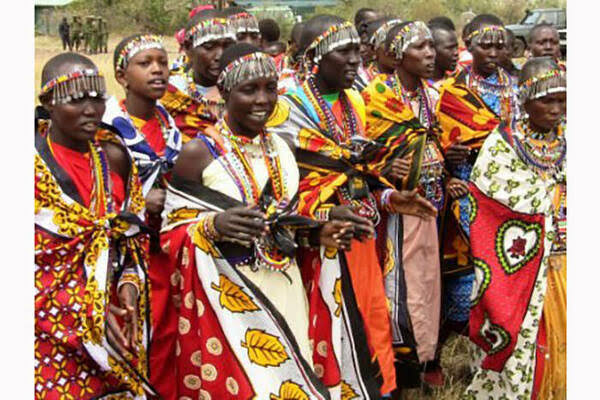
- Kikuyu women wear kikoi fabric as wraps, skirts, and headscarves, often in vibrant patterns.
3. Luo Costume & Kitenge Styles
- Luo women adorn kitenge dresses with matching headwraps.
- Men often wear embroidered shirts with colorful patterns.
4. Kamba Beaded Jewelry & Wraps
- Kamba artisans create intricate beadwork that complements flowing skirts, shawls, and casual wear.
5. Coastal Swahili Attire
- Women wear kanga and kitenge dresses, often with intricate embroidery and headscarves.
- Men wear kofia hats and kanzu robes, reflecting Swahili heritage.
6. Modern African Fusion Styles
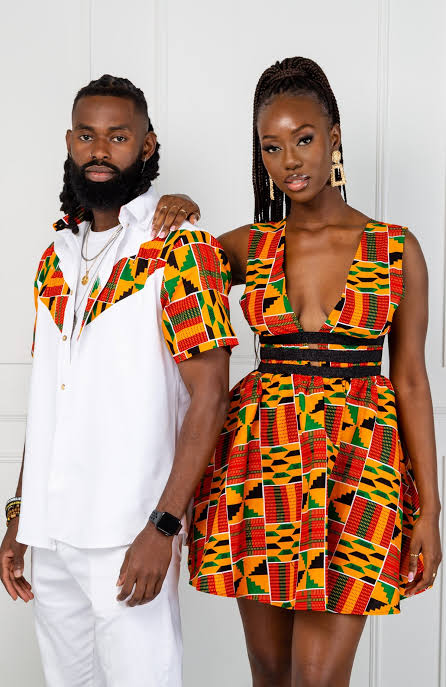
- Designers combine traditional fabrics with modern cuts, creating dresses, jackets, and casual wear for urban settings.
How to Style Kenyan Traditional Fashion
- Casual Daily Wear: Mix a kitenge top with jeans or trousers for an urban look.
- Formal & Ceremonial: Wear full traditional gowns, wraps, or shukas with accessories for weddings or festivals.
- Modern Fusion: Pair traditional prints with modern jackets, blazers, or skirts for everyday chic style.
- Social Media Ready: Showcase vibrant prints, beaded accessories, and headwraps for RED-style fashion content.
Popular Kenyan Traditional Fashion Brands & Designers
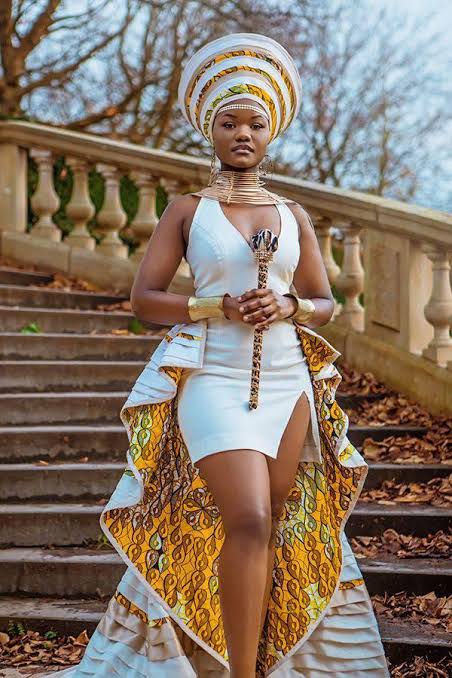
- KikoRomeo – Modern takes on kitenge and African prints.
- Alena Kavishe – Kenyan designer mixing traditional fabrics with contemporary fashion.
- Swahili Modern – Focuses on coastal Swahili-inspired styles.
- Amna’s Fashion Kenya – Traditional meets modern African fusion for women.
- Maasai Original Collections – Authentic Maasai-inspired apparel and accessories.
Where to Buy Traditional Fashion in Kenya
Offline Stores:
- Maasai Market, Nairobi – Handcrafted traditional attire and accessories
- Village Market & Westgate Mall – Boutique African fusion collections
- Local craft markets – Kitenge, kikoi, and beadwork
Online Stores:
- Instagram & Facebook boutiques – Many Kenyan designers sell directly online
- Jumia Kenya – Offers modern and traditional African fashion pieces
- Local brand websites – KikoRomeo, Alena Kavishe, Swahili Modern
Kenyan Traditional Fashion Forecast for 2025
- Urban Fusion: More traditional fabrics combined with modern urban silhouettes.
- Youth Adoption: Younger generations are embracing traditional attire in everyday life.
- Global Appeal: Kenyan prints and styles increasingly feature in international fashion shows.
- Sustainability: Handcrafted and locally made traditional pieces support ethical fashion practices.
- Social Media Influence: Platforms like Instagram and Facebook will continue to amplify Kenyan fashion globally.
Conclusion
Kenyan traditional fashion in 2025 is a vibrant mix of heritage, modernity, and individuality. From Maasai shukas and Kikuyu kikoi wraps to Swahili coastal attire, traditional clothing is more than fabric — it’s culture, pride, and identity.
By blending traditional prints with contemporary designs, Kenya is creating a unique fashion identity that resonates both locally and internationally.