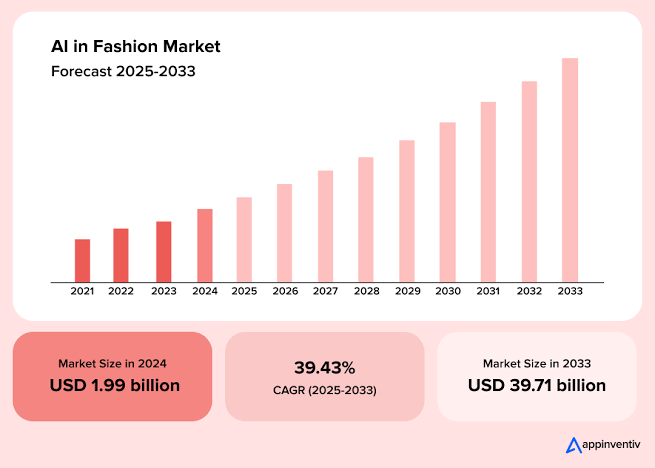
The year 2025 is redefining how fashion brands create, market, and sell their designs — all thanks to Artificial Intelligence (AI). From trend prediction to virtual fitting rooms, AI tools are transforming the fashion industry into a more efficient, personalized, and profitable ecosystem.
1. The Rise of AI in Fashion Design
AI-powered design software now helps fashion brands predict what styles, colors, and fabrics will trend next. Platforms like Fashwell, Vue.ai, and Heuritech analyze massive amounts of social media data to predict fashion trends before they hit the runway. Designers can now use these insights to create collections that are data-driven and aligned with customer demand — reducing waste and boosting sales.
Example:
A fashion designer using AI trend forecasting can see that “eco-friendly denim” is rising in the U.S. and Canada. By adapting early, they gain a competitive edge and attract a sustainability-focused audience.
2. AI in Fashion Retail and E-commerce
Online fashion stores are increasingly using AI chatbots, personalization engines, and recommendation systems to improve customer experiences. AI platforms such as Shopify Magic and Stitch Fix use data to suggest products customers are most likely to buy — increasing conversions by over 30%.
AI Personalization Example:
When a shopper browses handbags online, AI learns their style and automatically recommends similar luxury designer handbags, improving sales and customer satisfaction.
3. Virtual Try-On and Smart Fitting Rooms
Virtual try-on technology powered by AI and Augmented Reality (AR) allows customers to “wear” clothes digitally before purchasing. Brands like Zara, ASOS, and Gucci use 3D scanning and body-mapping AI to enhance shopping confidence and reduce return rates.
In physical stores, smart mirrors and AI-driven fitting rooms allow customers to try on outfits virtually — helping them explore multiple looks without changing clothes physically.
4. AI in Sustainable Fashion
One of the biggest global movements is sustainable fashion, and AI is playing a crucial role. AI helps brands monitor their supply chains, track material waste, and design eco-friendly fabrics. Tools like Made2Flow and Texintel use data analysis to measure carbon footprints and suggest greener production methods.
5. AI-Powered Marketing and Advertising
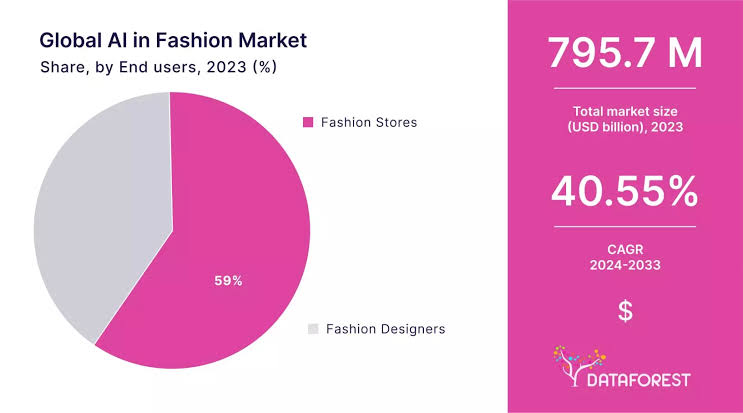
In 2025, marketing is no longer guesswork — AI tools like ChatGPT Vision, Copy.ai, and Jasper create ad copy, social media captions, and product descriptions that convert. Brands can now run targeted ads to specific audiences based on behavior, location, and even emotional data.
Example:
A fashion blogger can use AI to generate SEO-optimized content, automate emails, and track which posts drive the most traffic — all in minutes.
6. Predictive Analytics and Inventory Management
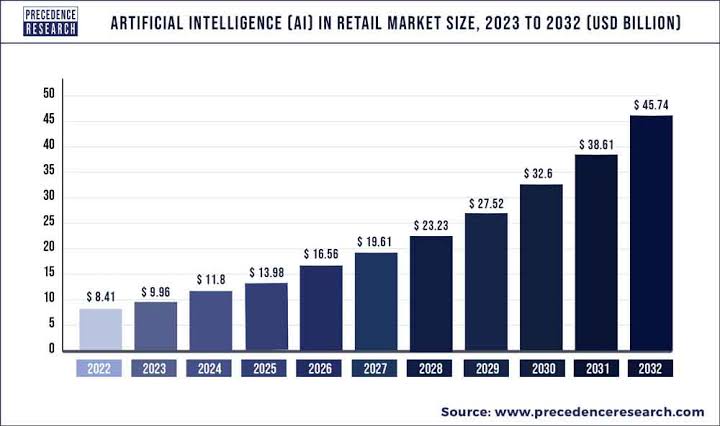
AI’s ability to analyze consumer demand means fashion brands no longer overproduce or understock. By predicting what styles will sell, AI reduces inventory costs and prevents unsold items from piling up in warehouses.
In short, AI tools in fashion are helping brands stay profitable, sustainable, and ahead of competition.
7. The Future: Fashion Meets AI Creativity
Imagine clothing designed entirely by AI — with unique patterns and digital textures never seen before. That future is already here. AI-generated fashion collections have been showcased in virtual runways across the metaverse, opening new business models for designers and tech startups.
Conclusion
The combination of AI and fashion is more than a trend — it’s the foundation of the fashion industry’s future. From design and production to marketing and sustainability, AI tools are helping brands grow faster, smarter, and greener. Whether you’re a designer, retailer, or entrepreneur, adopting these technologies early gives you a massive edge in 2025
Leave a Reply