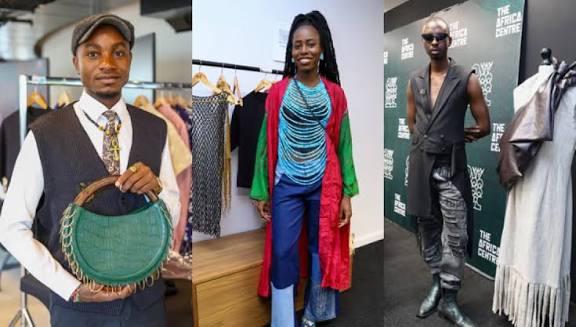

As the world embraces eco-conscious living, Kenya’s fashion industry is making powerful strides toward sustainability. In 2025, more Kenyan designers, brands, and consumers are turning to ethical production, upcycling, and eco-friendly fabrics to reduce waste and protect the environment.
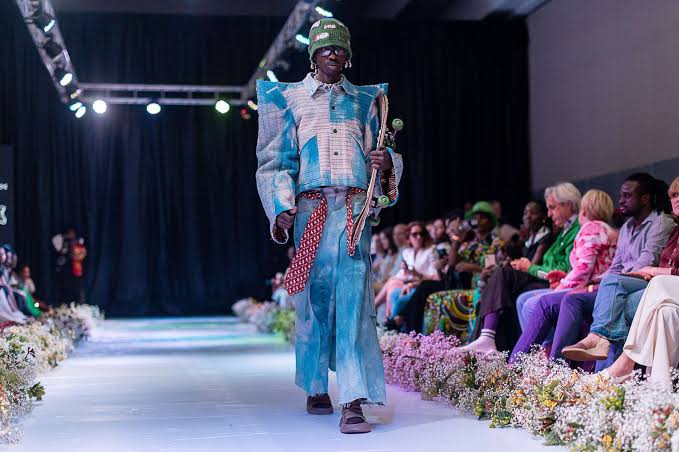
Sustainable fashion in Kenya is not just a trend — it’s a movement. It blends African creativity, cultural pride, and environmental awareness, showing that style and sustainability can go hand in hand.
1. The Rise of Sustainable Fashion in Kenya
Over the last few years, Kenya has experienced a significant shift in how clothing is produced and consumed. The rise of fast fashion imports created waste and overconsumption, but now local designers are leading a new wave — focusing on slow fashion and environmental responsibility.
Kenya’s younger generation, inspired by global eco-trends, is demanding quality, transparency, and sustainable fashion practices. This shift has encouraged many local brands to rethink how they source materials, manufacture products, and market their designs.
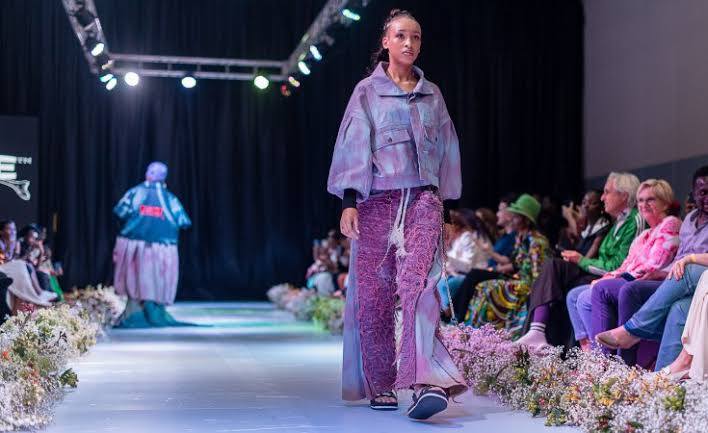
2. What Makes Fashion Sustainable
In Kenya, sustainable fashion means:
- Using natural, biodegradable fabrics like cotton, sisal, and hemp.
- Supporting local tailors and artisans to boost community livelihoods.
- Recycling and upcycling old garments into new, trendy designs.
- Promoting ethical labor practices and fair pay.
- Reducing water and energy use in production.
This approach helps protect the environment while creating job opportunities and cultural pride across the country.
3. Leading Sustainable Fashion Brands in Kenya (2025)
1. KikoRomeo
A pioneer in sustainable fashion, KikoRomeo uses hand-dyed fabrics, natural dyes, and upcycled materials to create modern Kenyan styles with minimal environmental impact.
2. Vivo Fashion Group
Known for affordable everyday wear, Vivo emphasizes local manufacturing and waste reduction, creating eco-friendly designs that empower Kenyan women.
3. Suave Kenya
This brand turns discarded fabrics and waste materials into stylish backpacks, wallets, and jackets — proving sustainability can be fashionable and profitable.
4. Thrift Social Nairobi
Thrift Social is not just an event — it’s a lifestyle promoting second-hand fashion, recycling, and local creativity. It encourages Kenyans to shop sustainably while supporting local entrepreneurs.
5. Enda Sportswear
Kenya’s first performance shoe brand manufactures ethically made sneakers locally, combining recycled materials, fair labor, and African identity in every design.
4. The Role of Thrift and Upcycling in Kenya
Thrift fashion, popularly known as “mitumba”, has long been a part of Kenyan culture. While it began as a budget-friendly option, it has now become a core pillar of sustainability.
Upcycling old clothes into stylish, new outfits is not only environmentally friendly but also allows young Kenyans to express their individuality and creativity. Designers and tailors are using old denim, cotton, and Kitenge pieces to make unique jackets, dresses, and accessories.
5. Challenges Facing Sustainable Fashion in Kenya
Despite its growth, the sustainable fashion movement faces several challenges:
- Limited access to eco-friendly materials locally.
- High production costs for small brands.
- Consumer awareness — many people still prefer cheap imports.
- Lack of government incentives to support eco-fashion initiatives.
However, as awareness grows and more Kenyans value sustainable living, the future looks promising.
6. How Consumers Can Support Sustainable Fashion

You can play a key role in promoting sustainable fashion in Kenya by:
- Buying from local designers and ethical brands.
- Choosing quality over quantity when shopping.
- Donating or repurposing old clothes.
- Supporting thrift markets and upcycled fashion projects.
- Sharing and promoting eco-friendly brands on social media.
Every choice contributes to a cleaner planet and a stronger local economy.
7. The Future of Sustainable Fashion in Kenya
By 2025, Kenya’s sustainable fashion scene is gaining global recognition. Local brands are being featured on international platforms for their creativity and commitment to ethical practices.
The next phase will include:
- Wider access to eco-friendly fabrics.
- Government-backed sustainability programs.
- Integration of digital fashion technologies to reduce waste.
- Increased partnerships between designers and rural artisans.
Kenya’s sustainable fashion future is green, inclusive, and inspiring.
Conclusion
Sustainable fashion in Kenya represents a balance between culture, creativity, and care for the planet. It shows how fashion can preserve identity while protecting the environment.
As more Kenyans embrace ethical fashion choices, the country is building a reputation as a leader in African sustainability and innovation.
In 2025 and beyond, Kenyan fashion proves that being stylish can also mean being responsible.