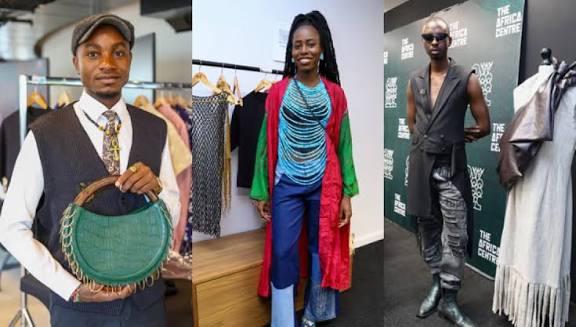
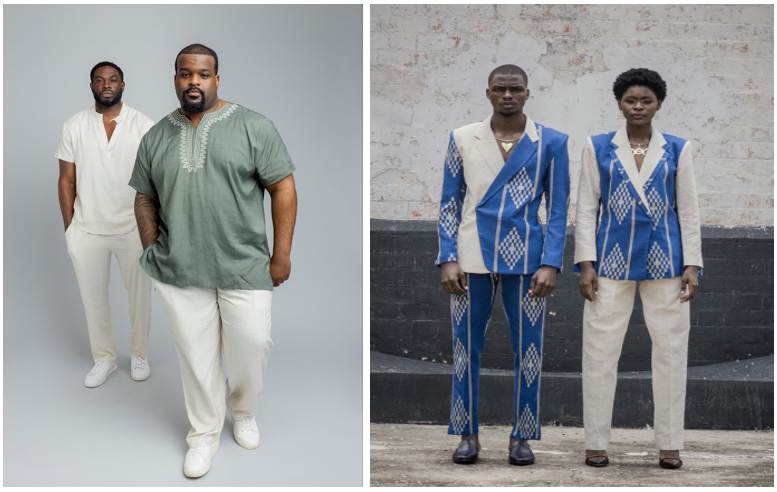
Kenyan street style has evolved into one of Africa’s most vibrant and creative fashion movements. In 2025, young Kenyans are using fashion to express individuality, confidence, and cultural pride. From Nairobi’s bustling streets to university campuses, Kenya’s urban youth are blending traditional elements with modern trends to create a look that’s bold, authentic, and globally appealing.
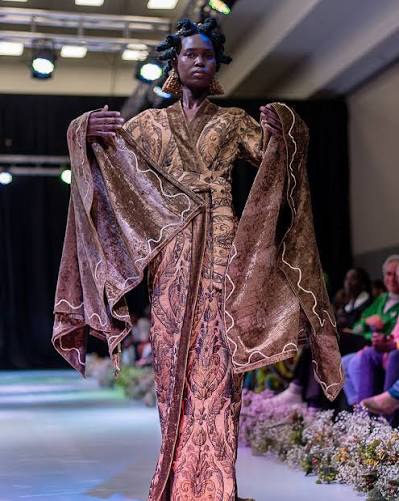
Street style in Kenya is more than what you wear — it’s a statement of identity, creativity, and lifestyle.
1. The Evolution of Kenyan Street Style
Kenya’s street fashion scene began gaining attention in the early 2010s, driven by local fashion events, social media influencers, and urban culture. By 2025, it has become a full-blown fashion movement that rivals global streetwear scenes in Tokyo, London, and New York.
Unlike Western streetwear, Kenyan street style integrates African prints, handmade jewelry, and vintage thrift pieces. It celebrates African heritage while embracing modern design.
This fusion of cultures gives Kenyan fashion a distinct identity — stylish, sustainable, and deeply rooted in community expression.
2. Core Elements of Kenyan Street Style
Modern Kenyan street fashion is a blend of comfort, creativity, and culture. Key features include:
- Kitenge and Ankara prints mixed with denim and sneakers.
- Oversized shirts and cargo pants with bold color blocking.
- Custom graphic tees showcasing Kenyan slang or Afrocentric messages.
- Handcrafted accessories such as beaded necklaces, bracelets, or leather belts.
- Vintage and thrift finds (Mitumba fashion) that add personality and sustainability.
Every outfit tells a story — about who you are and what you stand for.
3. The Role of Thrift Culture (Mitumba Fashion)
“Mitumba” — secondhand clothing — plays a major role in shaping street style in Kenya. Young people creatively remix thrifted items into trendy, one-of-a-kind outfits.
Thrift fashion is affordable, eco-friendly, and deeply cultural. It allows young Kenyans to experiment with fashion while supporting sustainable consumption.
Influencers and stylists now hold “Thrift Challenges” on social media, showcasing how to turn low-cost clothes into stunning streetwear.
4. Streetwear Brands Leading the Movement
Several Kenyan designers and brands are at the forefront of the urban fashion revolution:
1. 2ManySiblings – A sibling duo known for promoting vintage, minimalist fashion.
2. Vivo Activewear – Blending comfort and African-inspired prints for urban lifestyles.
3. Sevaria Kenya – Known for bold custom designs and gender-neutral streetwear.
4. Kiboti Wear – A Nairobi-based label redefining African streetwear with local fabrics.
5. Thrift Social Nairobi – Both a fashion event and brand that connects youth culture, music, and urban fashion.
These brands represent Kenya’s new creative class, using fashion to challenge norms and celebrate diversity.
5. Influence of Music and Pop Culture
Kenyan street style is closely tied to music, art, and social media. Artists from genres like Gengetone, Afropop, and Hip Hop are setting trends with their distinctive looks.
From ripped jeans to colorful sneakers, the fashion of stars such as Octopizzo, Ssaru, and Boutross inspires millions of young fans.
Instagram, TikTok, and YouTube have also become major platforms where influencers showcase daily fits, thrift hauls, and local brands — helping Kenya’s streetwear culture gain global visibility.
6. The Global Appeal of Kenyan Street Fashion
Kenya’s street fashion has captured international attention for its authentic, unapologetic creativity. Fashion photographers and magazines are spotlighting Nairobi as one of Africa’s emerging fashion capitals.
Kenyan designers are collaborating with global brands and stylists, bringing African streetwear to the world stage. This exposure is opening new markets and inspiring African youth to embrace their culture through fashion.
7. The Future of Street Style in Kenya
By 2025 and beyond, Kenyan street style is expected to:
- Integrate more sustainable materials and upcycled fabrics.
- Expand digital influence through fashion vlogs and TikTok styling content.
- Inspire regional streetwear hubs in Mombasa, Kisumu, and Eldoret.
- Encourage collaborations between musicians, visual artists, and designers.
Kenya’s streetwear movement will continue to grow — blending innovation with authenticity.
Conclusion
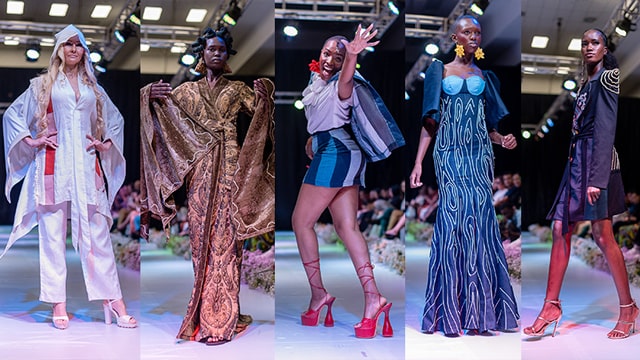
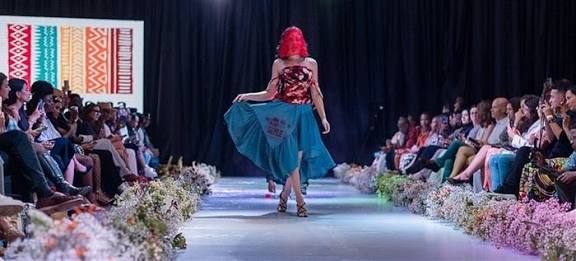
Modern Kenyan street style is not just about looking trendy; it’s a reflection of youth identity, creativity, and social change. By mixing tradition with innovation, Kenya’s fashion-forward youth are proving that African streetwear can compete on the global stage.
As Nairobi continues to rise as a fashion hub, Kenyan street style will keep shaping Africa’s urban culture — stylish, sustainable, and uniquely Kenyan.