
Introduction
Luxury fashion in China has seen explosive growth over the past decade. By 2025, China is not only the largest market for high-end fashion but also a trendsetter influencing global style. From Shanghai’s glitzy shopping districts to Beijing’s fashion weeks, Chinese consumers are embracing luxury with a blend of traditional elegance and contemporary flair.
Luxury is no longer just about brands — it’s about experience, exclusivity, and cultural expression. International designers and local Chinese brands alike are tapping into this evolving market.
Why Luxury Fashion Thrives in China
- Rising Middle Class & Wealthy Consumers
Chinese consumers are increasingly willing to invest in quality and exclusivity, driving demand for high-end clothing, accessories, and footwear. - Cultural Appreciation & Modern Influence
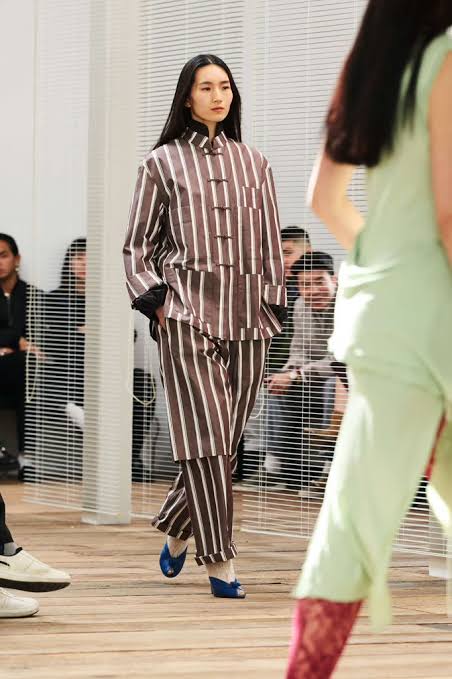
Luxury buyers in China seek a blend of modern design and traditional elements such as Chinese motifs, silk embroidery, and heritage prints. - Social Media & Influencer Culture
Platforms like RED (Xiaohongshu), Weibo, and Bilibili shape luxury trends, with influencers showcasing designer outfits and accessories to millions of followers. - Luxury Lifestyle as Identity
Luxury fashion is seen as a statement of status, taste, and personal achievement. Limited editions and collaborations create aspirational value.
Top Luxury Fashion Trends in China 2025
1. Sustainable Luxury
- Eco-conscious consumers favor brands that combine premium quality with environmental responsibility.
- Luxury brands are using recycled fabrics, low-impact dyes, and ethical craftsmanship.
2. Chinese Cultural Motifs
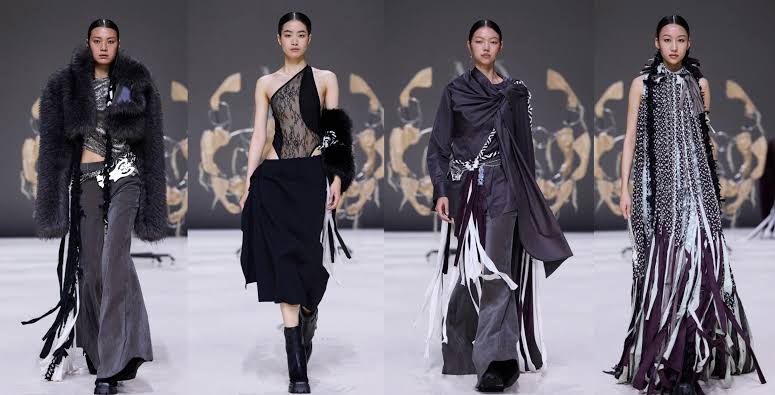
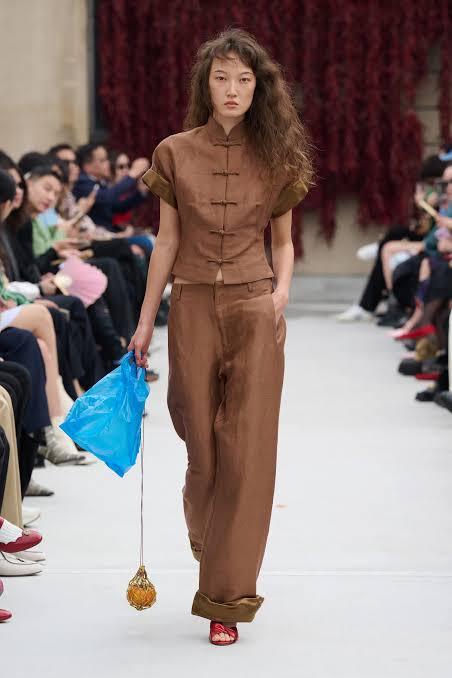
- Designers incorporate ancient patterns, embroidery, calligraphy, and silk fabrics.
- This fusion of heritage and modern design resonates strongly with Chinese buyers.
3. Limited Edition & Custom Pieces
- Exclusivity drives demand. Limited edition handbags, sneakers, and capsule collections are highly sought after.
4. Gender-Neutral Luxury
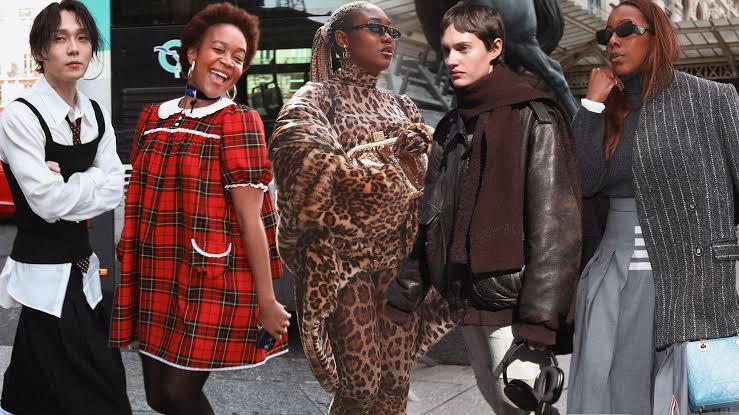
- Unisex collections are emerging, with oversized coats, blazers, and knitwear appealing to a broader audience.
5. High-Tech & Wearable Fashion
- Smart fabrics, LED-integrated pieces, and temperature-regulating clothing are merging technology with luxury.
6. Luxury Streetwear Fusion
- High-end brands blend streetwear aesthetics with couture, creating new hybrid trends.
7. Minimalist Elegance
- Clean lines, neutral palettes, and functional design dominate, appealing to urban professionals.
Popular Luxury Fashion Brands in China
International Brands:
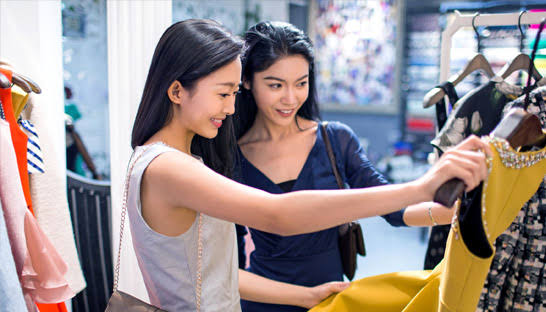
- Louis Vuitton, Gucci, Chanel, Prada, Balenciaga – continue to dominate premium markets.
- Collaborations with Chinese artists or limited editions drive exclusivity.
Local Chinese Brands:
- Shiatzy Chen – combines Chinese heritage with contemporary fashion.
- ICICLE – focuses on sustainable luxury basics.
- Angel Chen – experimental designs with global appeal.
- Feng Chen Wang – high-end streetwear and couture fusion.
These brands are gaining international recognition while maintaining a distinctly Chinese identity.
How to Style Luxury Fashion in China
- Corporate & Social Events: Elegant dresses, tailored suits, and statement accessories.
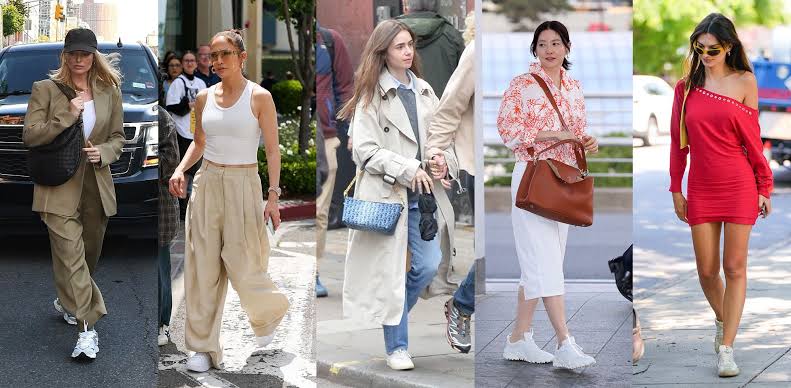
- Casual High-End Looks: Designer sneakers paired with minimalistic blazers or premium streetwear jackets.
- Evening & Gala: Silk embroidery gowns, luxurious handbags, and gold/silver jewelry.
- Social Media & Influencer Looks: Mix vintage luxury pieces with trending contemporary designs for Xiaohongshu content.
The key is balance and sophistication, ensuring every outfit reflects status, taste, and individuality.
Where to Shop Luxury Fashion in China
Offline Stores:
- IFC Mall, Shanghai – Premium international brands
- Taikoo Li, Beijing – Mix of international and high-end local brands
- Lane Crawford, Guangzhou – Luxury fashion and lifestyle shopping
Online Platforms:
- Tmall Luxury Pavilion – Exclusive online platform for premium brands
- JD Luxury Channel – Curated selection of designer goods
- RED (Xiaohongshu) – Trend discovery, influencer recommendations
Luxury Fashion Forecast: 2025 and Beyond
- Sustainability: More eco-conscious materials and production methods.
- Fusion of Tradition & Modernity: Increased use of Chinese cultural motifs in global designs.
- Tech Integration: Smart fabrics and wearable luxury.
- Gender Neutrality: Wider adoption of unisex high-end collections.
- Digital Luxury Shopping: AR/VR fitting rooms, social commerce, and influencer-driven e-commerce will grow.
Conclusion
Luxury fashion in China is dynamic, culturally rich, and globally influential. With rising demand for sustainable, exclusive, and tech-integrated designs, 2025 promises an era where heritage and modernity coexist in perfect harmony.
Chinese consumers are not just buying luxury — they are curating experiences, defining identities, and shaping global fashion trends.